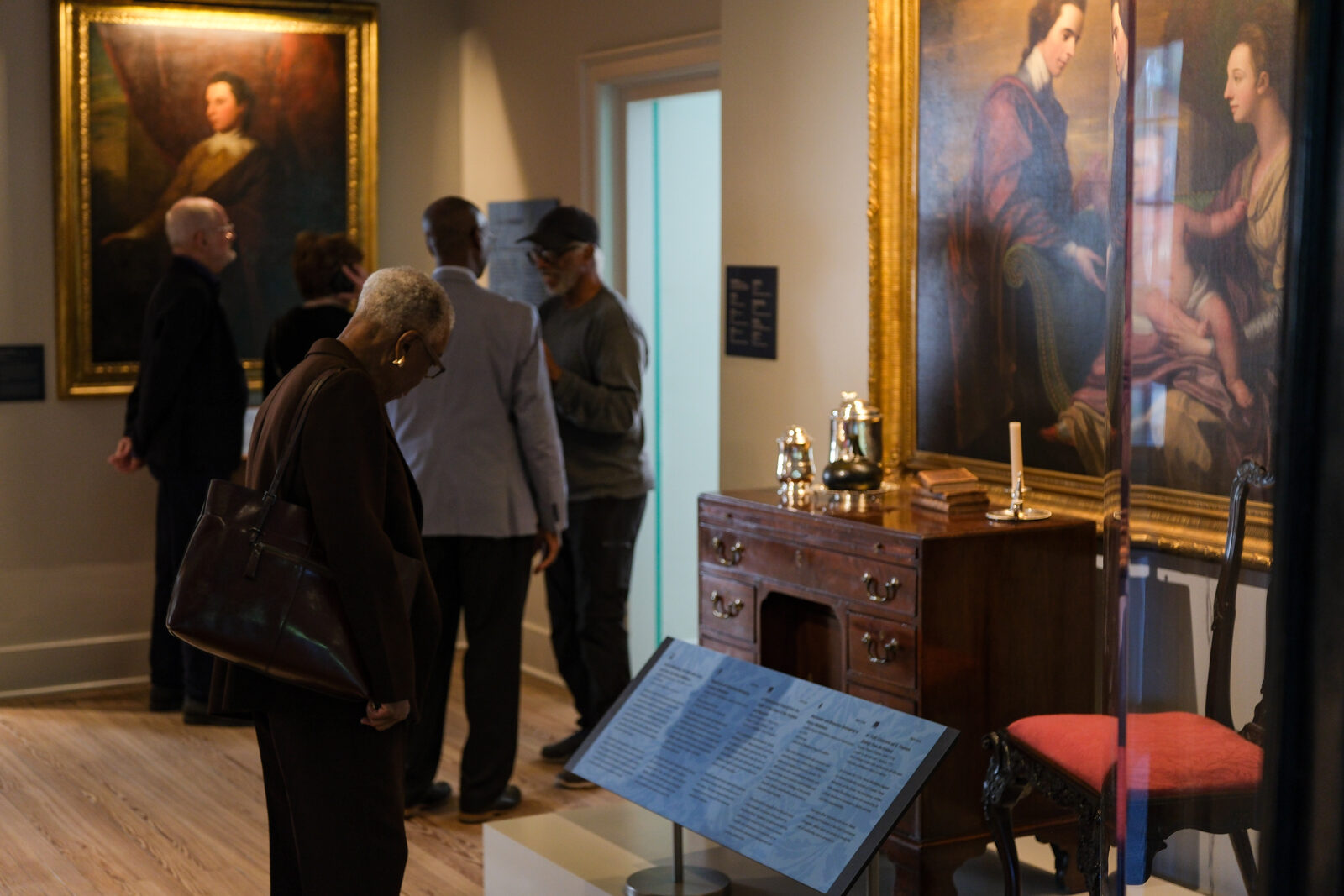
This spring, Summerville invited visitors beyond its storied shaded porches and winding garden paths into the layered stories of the town itself — and what they found was a legacy still very much in bloom.
The 2026 Summerville Historic Homes & Gardens Tour — the first of its kind — grew from a shared vision between the Summerville Museum & Research Center and its board secretary, Jennifer Johnson, whose leadership and passion for preservation helped make the event a reality. Together with local partners, the museum and Johnson shaped a tour that honors both the craftsmanship of the past and the dedication of the families who continue to care for these homes today.
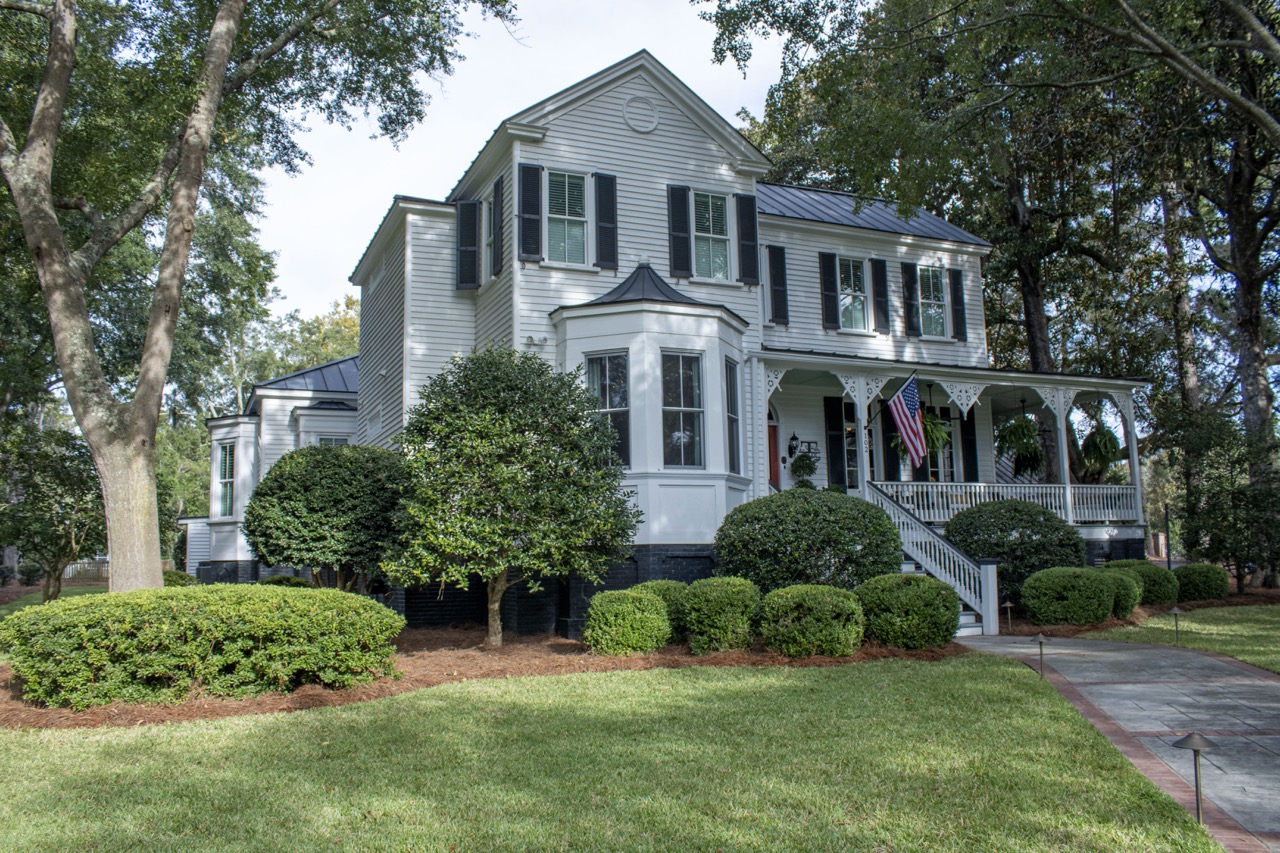
With histories stretching from pre-Civil War to modern families committed to thoughtful restoration, this year’s five featured homes reflect nearly a century of architectural evolution. Each bears the marks of earthquake, storm, and reinvention. Each endures because someone chose to preserve it.
The Summerville Historic Homes & Gardens Tour is more than an architectural showcase — it is a tribute to stewardship, resilience, and the families who continue to care for these historic properties with intention and pride.
The Homes
Col. J. H. Averill House — 102 Hickory Street. Built ca. 1880 in Queen Anne and Eastlake styles, this Victorian gem survived the 1886 earthquake and retains roughly seventy-five percent of its original wood, including heart-of-pine floors and a distinctive star-motif fretwork believed to be the builder’s signature.
Hickory Estate — 110 Hickory Street. Dating to 1840, this Classic Revival home predates the Civil War and features fourteen-foot ceilings, a floating foyer staircase, and camellias believed to be more than 180 years old.
Huger House / Camellia Cottages — 609 West Richardson Avenue. A Queen Anne Victorian from the late 1880s, this property was painstakingly restored from significant disrepair beginning in 2018 and now includes three charming cottages and gardens filled with historic camellias and magnolias.
Linwood Inn — 200 Palmetto Street. Built in 1883 and rebuilt after the 1886 earthquake, this home is tied to the Drayton family and Julia Drayton Hastie, who became the first and only woman to own Magnolia Plantation and Gardens.
White Gables — 603 West Richardson Avenue. A Greek Revival landmark likely built between 1855 and 1858, White Gables features carved ceiling medallions, English Camellia-style gardens, and one of only three remaining octagonal cupolas of its kind in the country.
Photography by Summerville-based photographer, Bianka Lamb
By AZALEA Magazine